Car Accident? The Insurance Company Is Hoping You Make These 6 Mistakes. Every One Costs You Money.
Most of them feel normal in the moment. Saying yes to a quick call. Signing a form. Taking a fast check. Here is how to spot each one before it costs you.
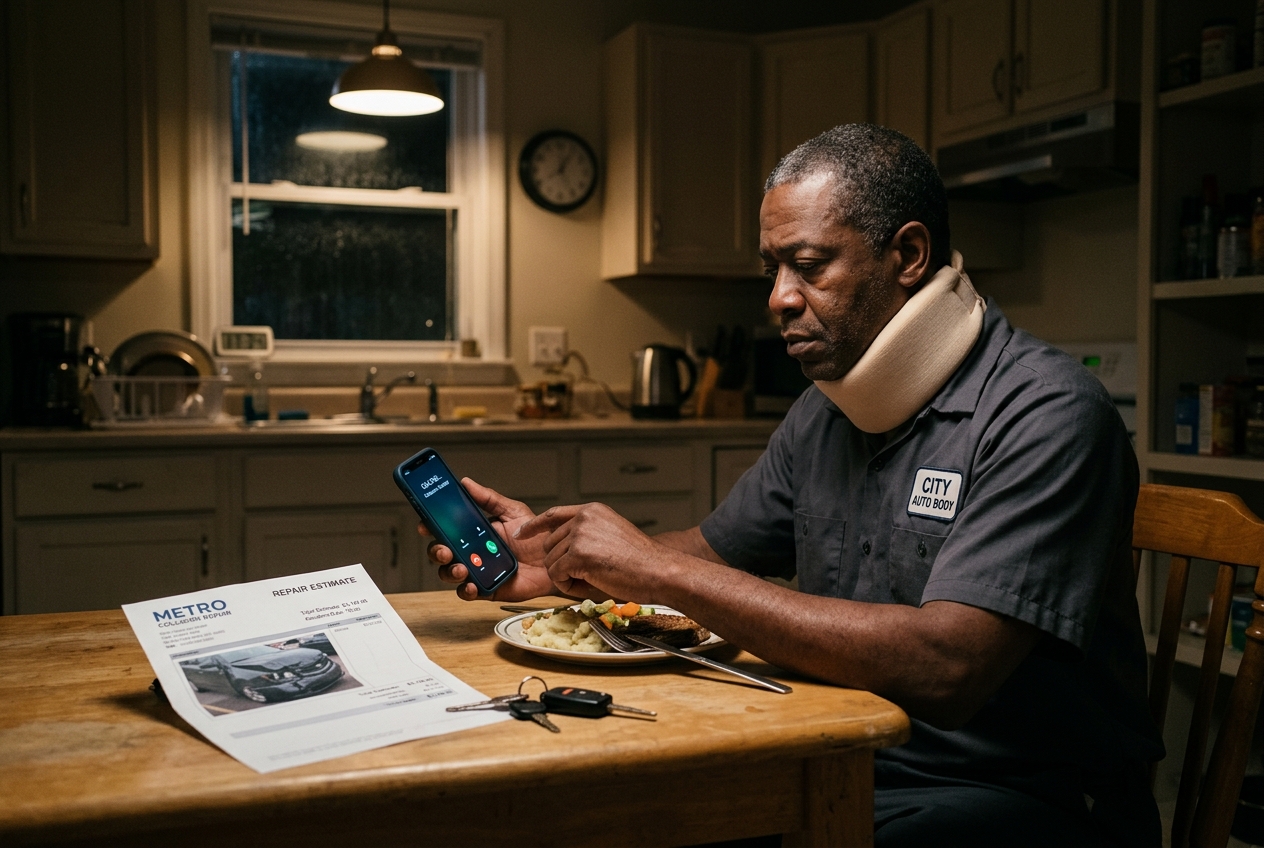
The crash was bad enough. Then, a few days later, your phone rang. It was the other driver's insurance company. The person on the line was calm and kind. They asked how you were doing. They said they just needed a few details to get things moving.
It felt like help. But here is the part they did not say out loud. That person works for the company that has to pay you. The less they pay, the better they are doing their job.
Here are the six mistakes they are hoping you make. Read them before you talk to them again.
Already talked to the insurance company?
You may still have options. Answer a few quick questions — it takes about 60 seconds.
Check My Claim's StrengthFREE · PRIVATE · NO OBLIGATION Prefer to talk? Call (510) 905-0140
1. Agreeing to a recorded statement and saying "I'm fine"
Early on, the adjuster will ask if they can record your call. They make it sound like a small thing. Just a formality. Then they ask simple questions. What happened? How fast were you going? How are you feeling today?
Most people answer that last one the way they always do: "I'm fine." Those two words go into your file. When your neck or back gets worse next week, they can play them back to you. The truth is, you usually do not have to give the other driver's insurance company a recorded statement at all. You can simply say, "I'm not comfortable with that right now."

2. Mistaking their friendliness for being on your side
Adjusters are trained to be kind and easy to talk to. They may ask about your kids. They may say they want to "get this taken care of" for you. It feels like they are on your side.
They are not. Their job is to protect the insurance company's money. Every question has a reason behind it. And there are things they will almost never bring up, like what your claim may really be worth, or other insurance that may cover you. They are not paid to help you find those.
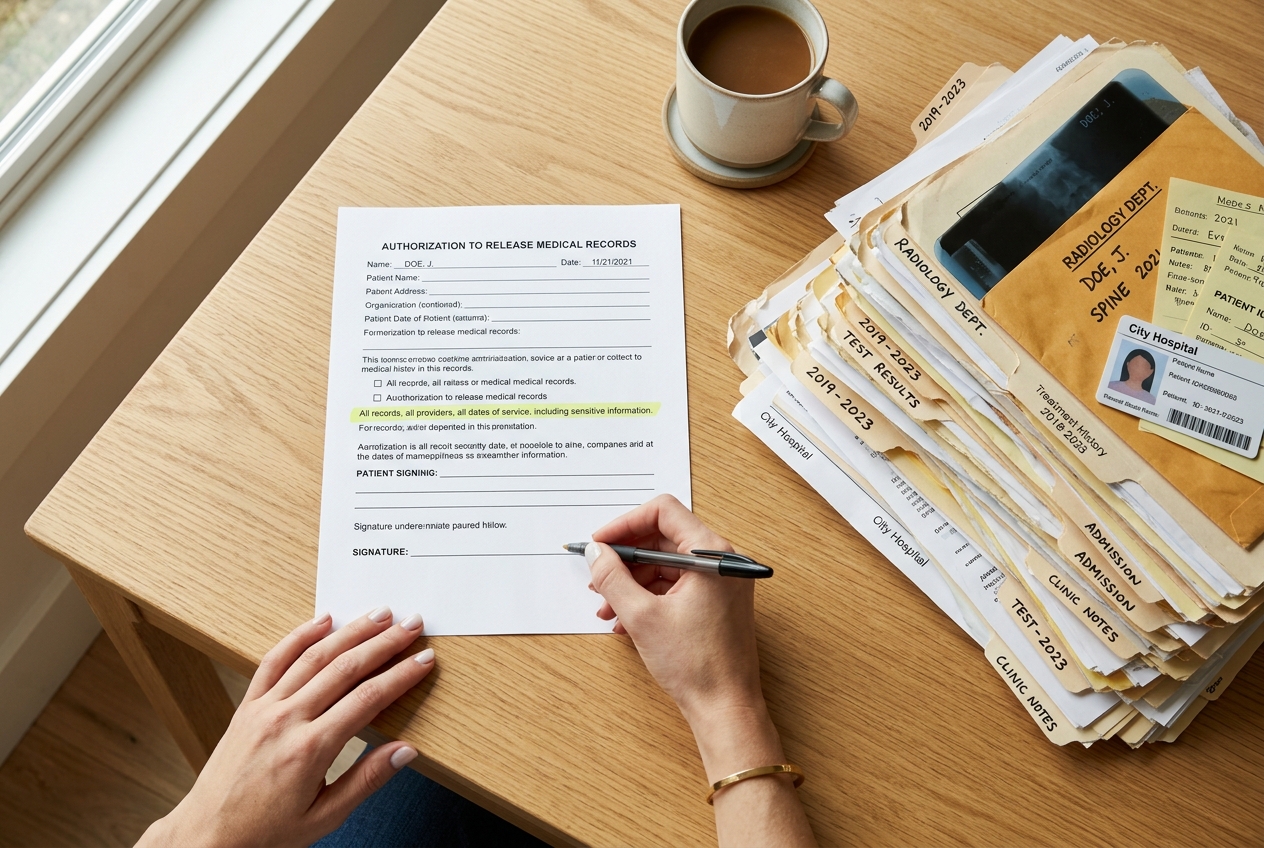
3. Signing a medical records form without reading what it lets them see
A few weeks after the crash, a form may show up in the mail. It asks you to let them see your medical records. It looks normal, like the paperwork you sign at every doctor's office.
Read it closely. Some of these forms let them dig through years of your medical history, not just this crash. An old back problem. A sports injury from high school. Then they use it to say your pain was there before the accident. Here is what they leave out: if a crash made an old injury worse, that harm can still count.
Not sure what you already signed? An attorney can look it over for free.
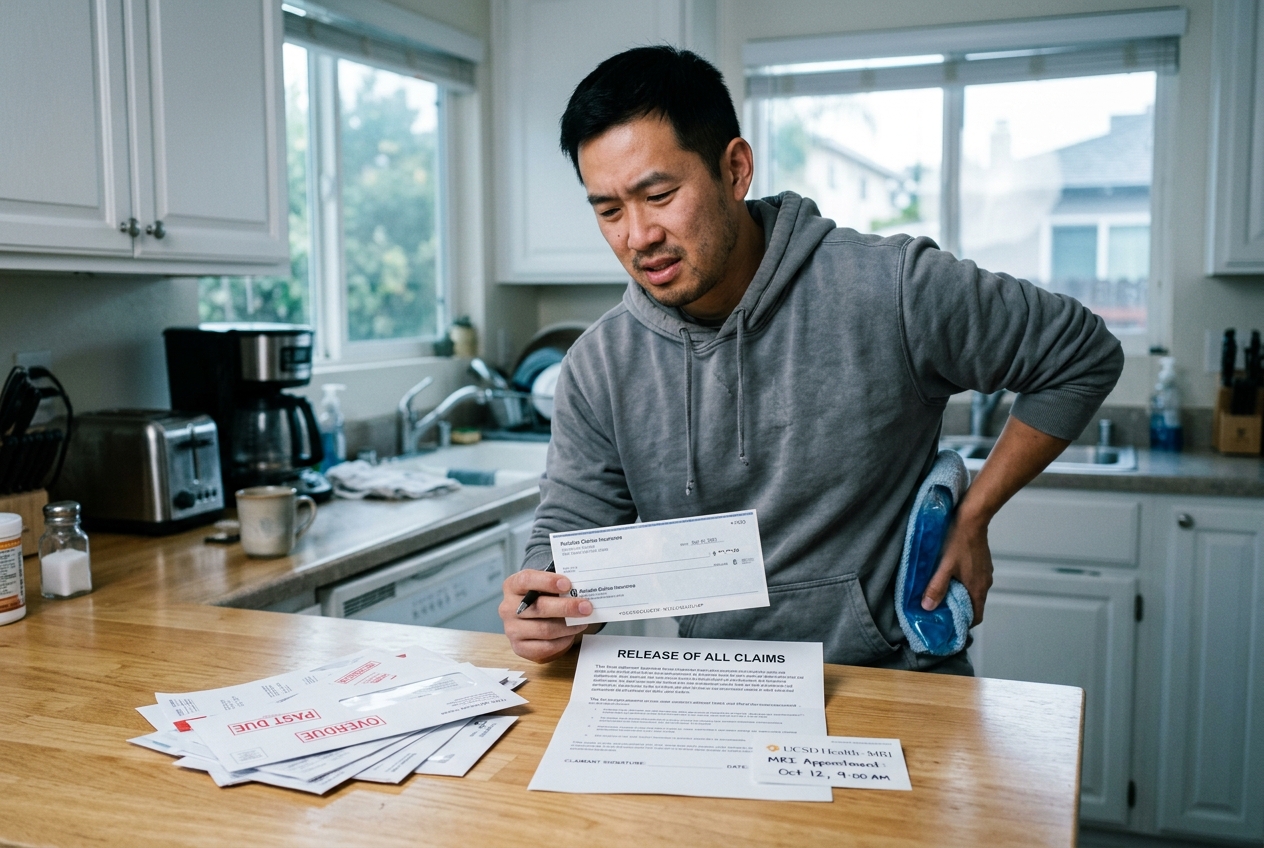
4. Cashing the first check insurance sends you because the amount seemed right
After a crash, bills pile up fast. Car repairs. Doctor visits. Missed work. So when the insurance company offers you a check, it can feel like a lifeline.
But look at the timing. The offer often comes before your MRI, before you see a specialist, and before anyone knows how bad your injury really is. To get the money, you usually have to sign a release. A release is final. If your pain gets worse later, you can't go back and ask for more.

5. Thinking insurance won't check your Facebook, TikTok or Instagram
The insurance company can look at anything you post in public. One photo of you smiling at a birthday party. One post that says "feeling better today!" That is all it takes.
They will use it to say you are not really hurt, even if you could barely get out of bed the next day. Set your accounts to private, stop posting about the crash or what you're doing, and ask family not to tag you.
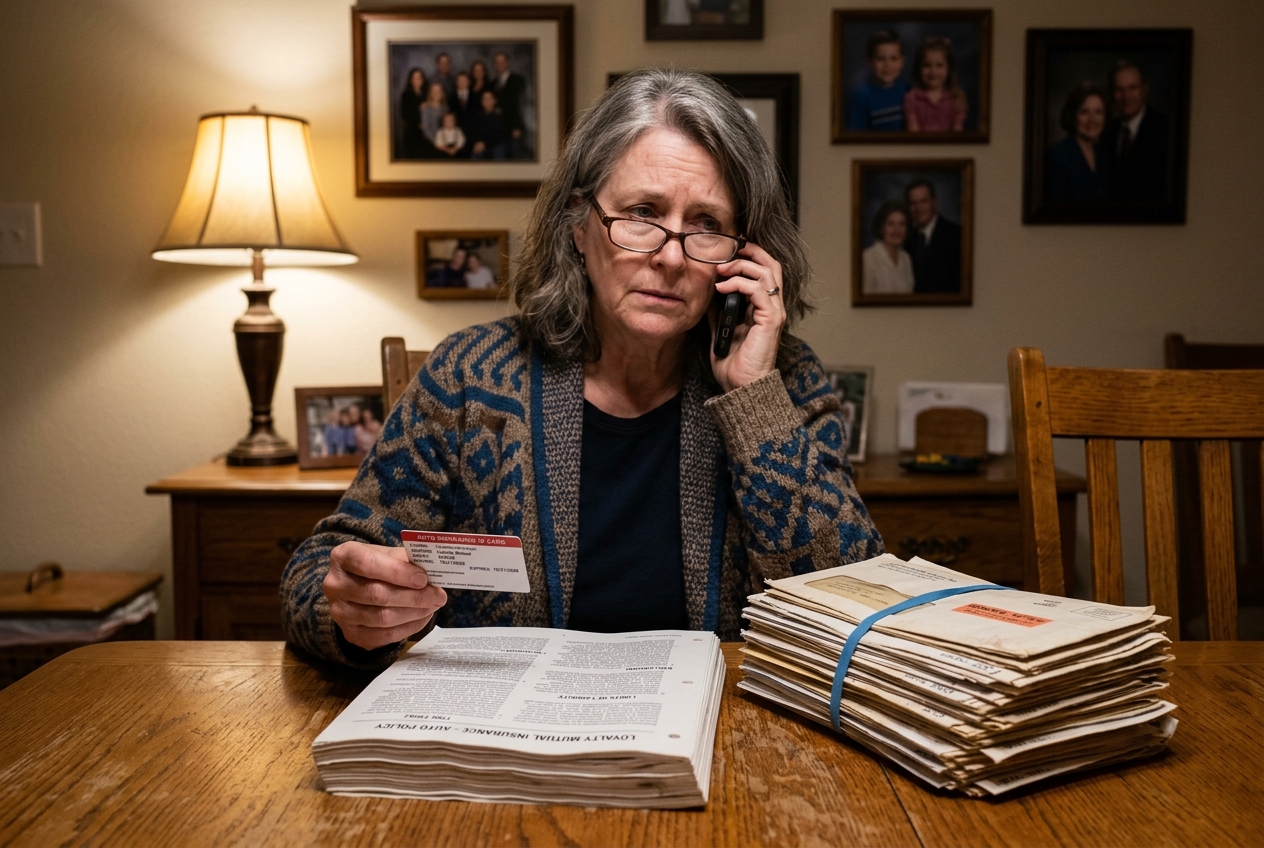
6. Thinking your own insurance won't switch sides on you
What if the driver who hit you has no insurance, or not enough? Then you may have to make a claim on your own policy. That is what coverage like "uninsured motorist" is for.
But the moment you do, your own insurance company becomes the one paying. Now they have the same goal as the other driver's company. Expect the same recorded calls and the same fast offers. It doesn't matter how many years you've paid them.
What to do before you talk to anyone
If you remember nothing else, remember this list:
- Don't give a recorded statement to the other driver's insurance company.
- Don't say "I'm fine." Say you are still being checked by your doctor.
- Don't sign a medical records form or a release you don't understand.
- Don't take the first offer before you know how badly you're hurt.
- Don't post about the crash or your activities online.
And do these things: go to every doctor visit, keep every bill and receipt, and save photos of your car and your injuries.

Let someone on your side take the calls
You do not have to deal with the adjuster alone. Once you have an attorney, the insurance company usually has to talk to them instead of you. The calls stop coming to you. The forms go to someone who knows what they mean.
An attorney who handles car accident cases can tell you what your claim may be worth, what the adjuster is leaving out, and whether other insurance may cover you. And it costs nothing to find out. These attorneys are usually paid only if you win.
It takes about a minute to answer a few questions. That minute could be the difference between taking their word for it and knowing for yourself.
Why accident victims use Smart Crash Guide
- 100% free — it costs nothing to check
- You pay nothing unless you win
- Participating attorneys handle car accident cases in your state
- Private, with no obligation
Smart Crash Guide is not a law firm. We do not provide legal advice and we do not represent anyone. We review the information you submit and refer it to an independent attorney, who decides whether to take your case. This article is general information, not legal advice about your situation.