Was the Other Driver Working When They Hit You? You May Be Owed a Lot More.
When the driver is on the job, their company's insurance can pay too. Here are 10 things most people never find out.
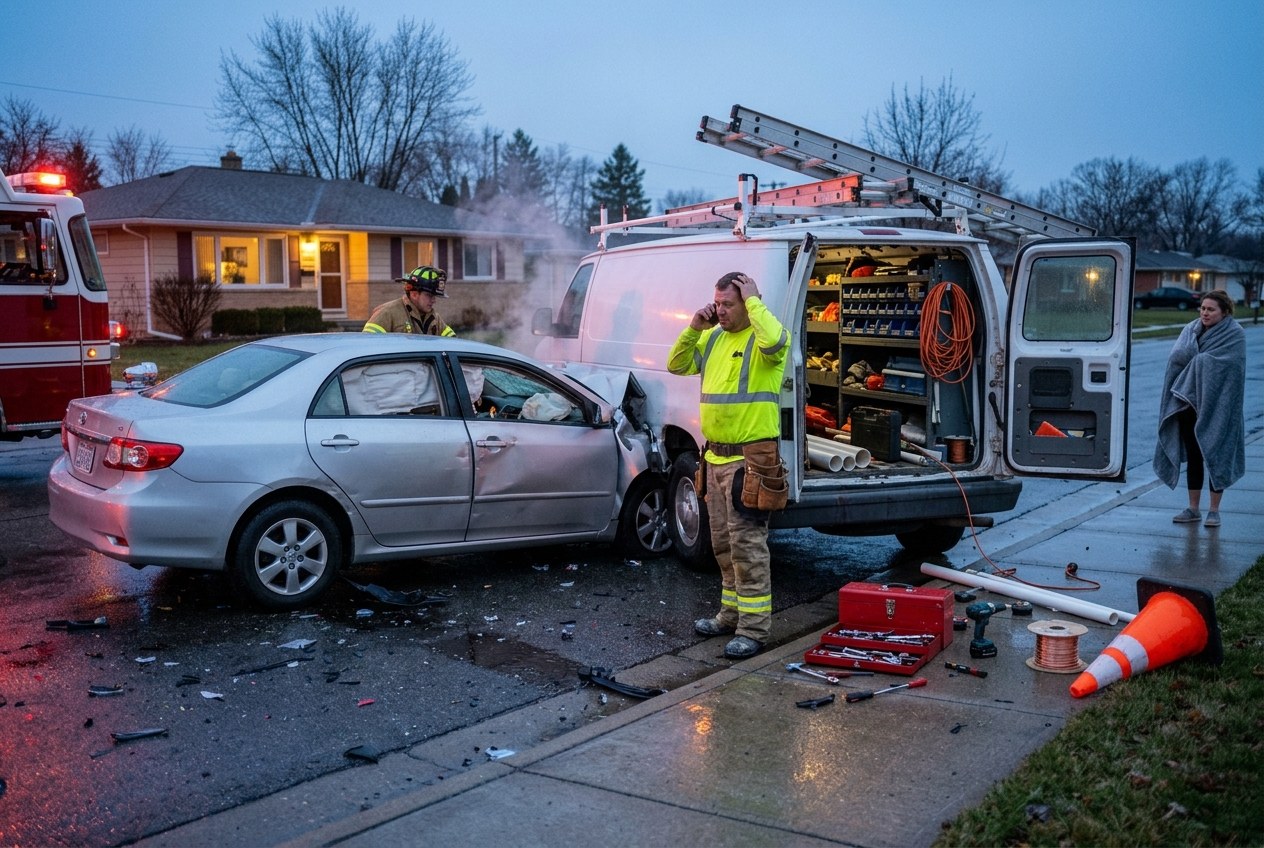
You got hit. Then the other driver's insurance called. Maybe they said their driver only has so much coverage. Maybe they already made you an offer.
But here's a question almost nobody asks. Was the other driver working when they hit you? If they were, there may be another insurance policy. And it can be a lot bigger.
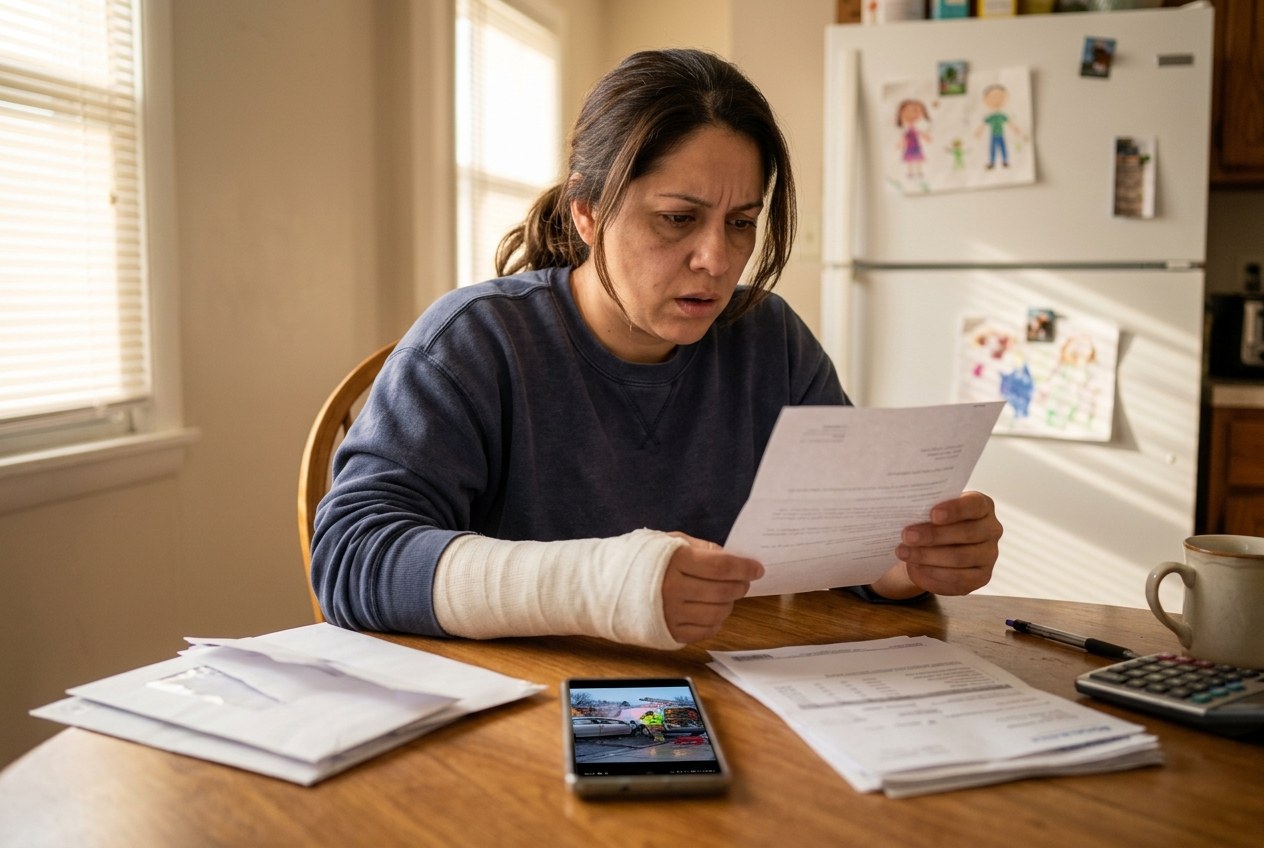
Their insurance may not be the only insurance
Every driver has to carry car insurance. But a lot of drivers only carry the smallest amount the law allows. In some states, that's $30,000 or less for one person's injuries. With big medical bills or missed work, that can run out fast.
Here's what changes when the driver was working. When someone hits you while doing their job, the company they work for can be on the hook too. Company policies are often $1 million or more.
- Their own car policy. Sometimes only $30,000.
- Their company's policy. Often $1,000,000 or more.
What an attorney doesAn attorney finds out if the driver was working, and goes after every policy that can pay you.
Was the driver who hit you working?
Answer a few quick questions. It takes about 60 seconds.
See What My Case Is WorthFREE · PRIVATE · NO OBLIGATION Prefer to talk? Call (510) 905-0140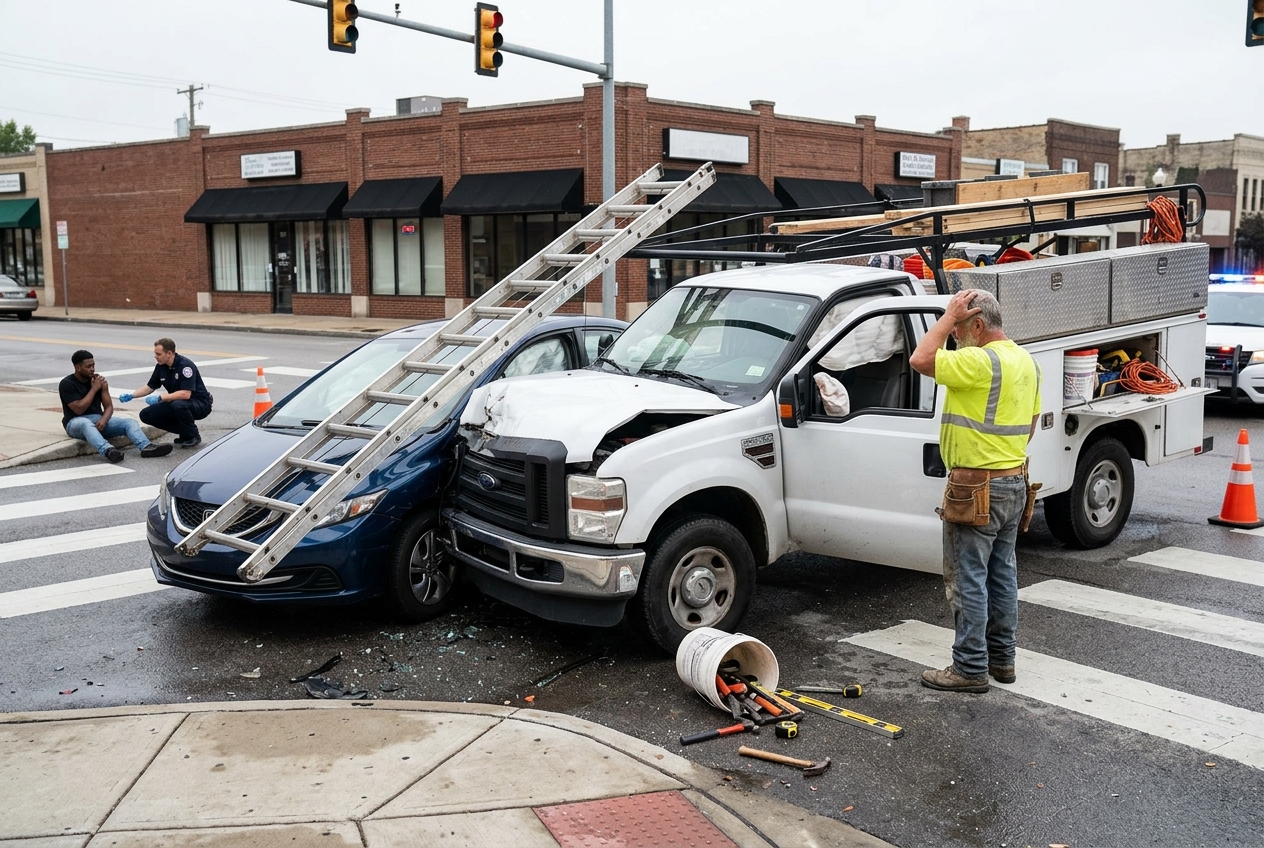
Hit by a work truck or van? The company may have to pay
Plumbers. Electricians. Landscapers. Cable techs. Contractors. They drive for work all day. When one of them hits you while on the job, the law can hold their company responsible for the crash.
That means you're not stuck with just the driver's insurance. The company's insurance can pay you too. A name on the door, a ladder on the roof, or tools in the back are all signs the driver may have been working.
What an attorney doesAn attorney finds out who the driver works for and what insurance that company carries.
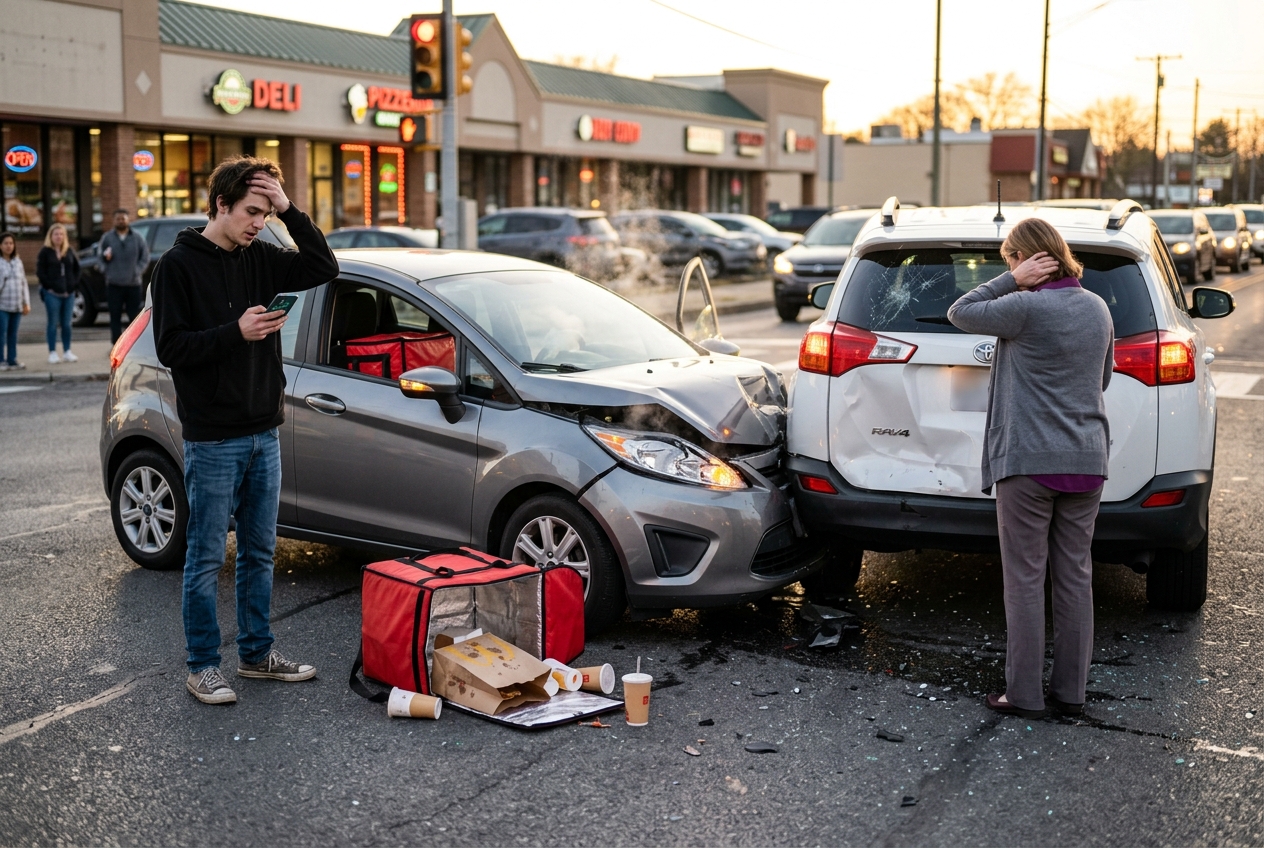
Hit by a delivery driver? Their app may have a bigger policy
DoorDash. Uber Eats. Instacart. Amazon. Lots of delivery drivers use their own cars with small personal policies.
But while a driver is on an active delivery, many delivery apps carry their own insurance. It's often up to $1 million. Food, groceries or packages, it can apply.
The catch: someone has to prove the driver was on a delivery when they hit you. The app has the records. You can't just call and ask for them.
What an attorney doesAn attorney goes after the app records that show the driver was working.
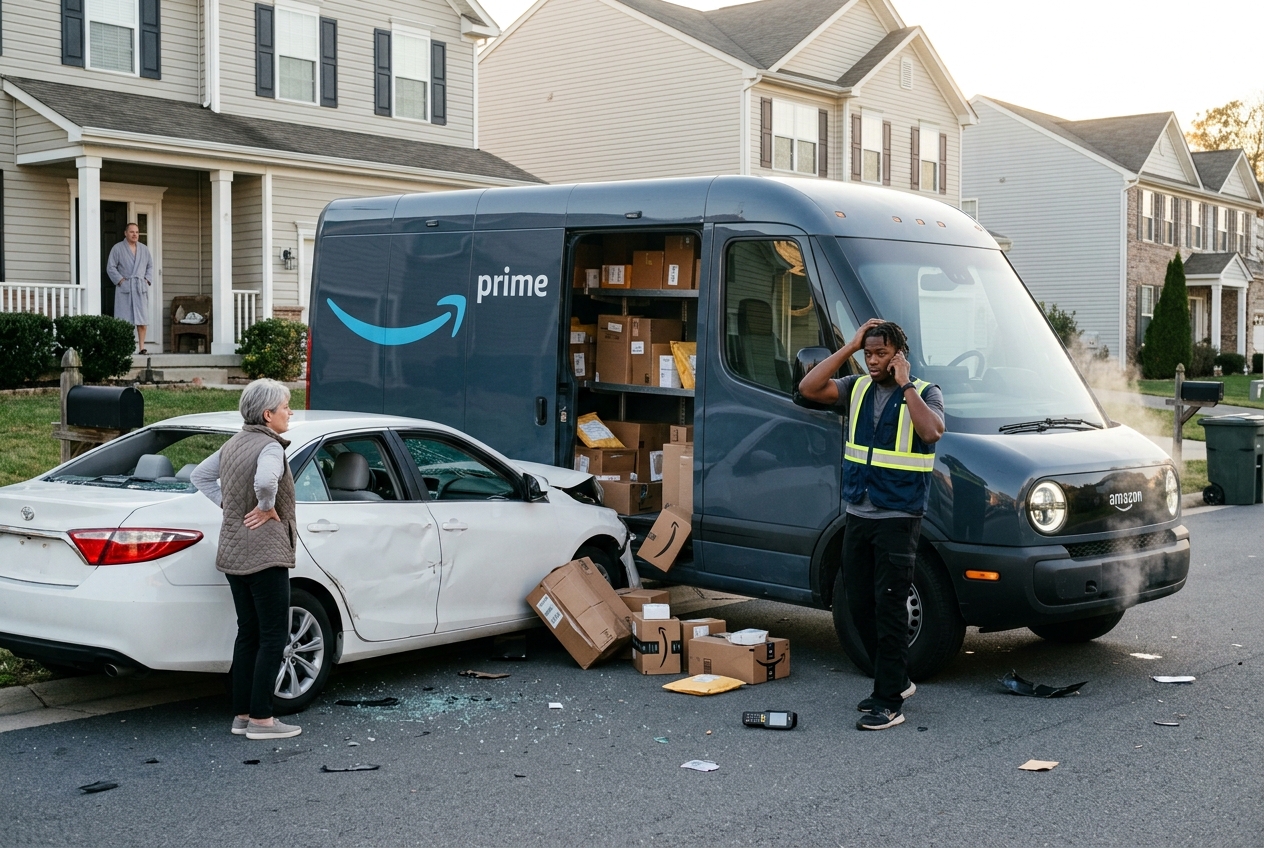
Hit by an Amazon driver? Amazon may have to pay
Amazon delivers millions of packages a day. But most of the drivers in Amazon vans don't work for Amazon. They work for small delivery companies that Amazon hires.
That matters. Those small companies often have limited insurance. And Amazon may say the driver isn't theirs. But Amazon tracks those drivers closely: their routes, their speed, even their phone use. That can put Amazon itself on the hook. In one 2023 case, a South Carolina jury awarded $44.6 million against Amazon after one of these vans crashed.
Some Amazon drivers use their own cars through Amazon Flex. While they're delivering, Amazon's policy can cover up to $1 million in most states.
What an attorney doesAn attorney goes after Amazon, not just the driver or the small company.
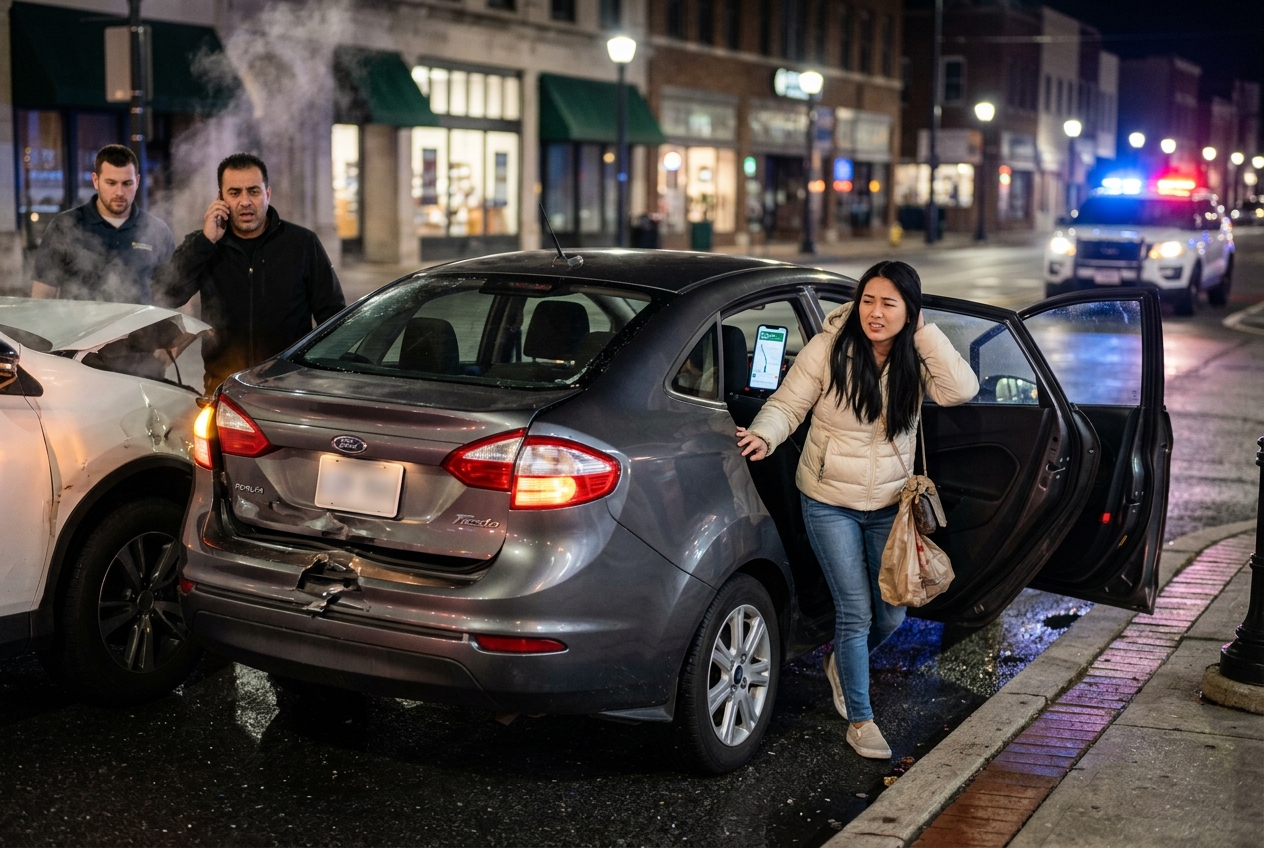
In an Uber or Lyft crash? $1 million in coverage may be there
Uber and Lyft drivers are covered by big policies while they're working. In most states, it's $1 million from the moment a driver accepts a ride until the rider gets out.
That coverage can help you if you were the passenger. It can also help if you were in the other car.
What the app was doing at the time of the crash matters a lot. Was the driver waiting for a ride? On the way to pick someone up? Driving a rider? Each answer can change how much coverage there is.
What an attorney doesAn attorney gets the trip records and proves what the app was doing when you got hit.
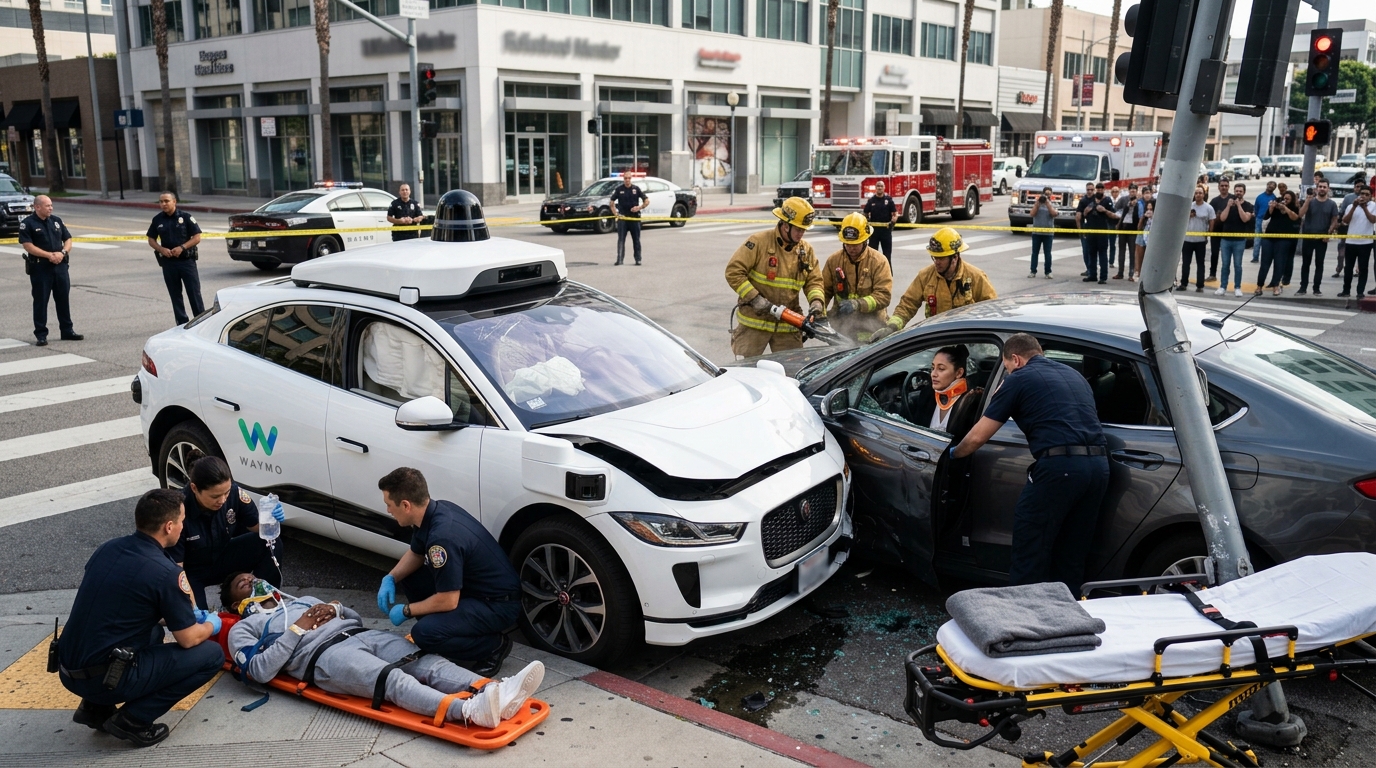
Hit by a Waymo? There's no driver, so the company is on the hook
Self-driving cars now carry riders in cities like Phoenix, Los Angeles, San Francisco, Austin, Atlanta and Miami. Nobody sits behind the wheel. So there's no driver to blame. The company is the driver. Waymo is owned by Google's parent company, Alphabet.
In California, Waymo has to carry a $5 million policy. Uber and Lyft carry $1 million, and only during a trip.
Here's what makes a Waymo crash different:
- The company is the driver. There's no "he's just a contractor" excuse.
- The car recorded everything. It has cameras and sensors all the way around.
- Waymo owns that video. And companies don't keep data forever.
- It can be a defect case. If the software made a bad call, the company can be on the hook for that. Waymo has recalled its software before, including once for passing stopped school buses.
This matters most if the Waymo caused the crash, or if you were riding in one, walking or biking.
What an attorney doesAn attorney makes Waymo save the video and goes after the company, not a driver.
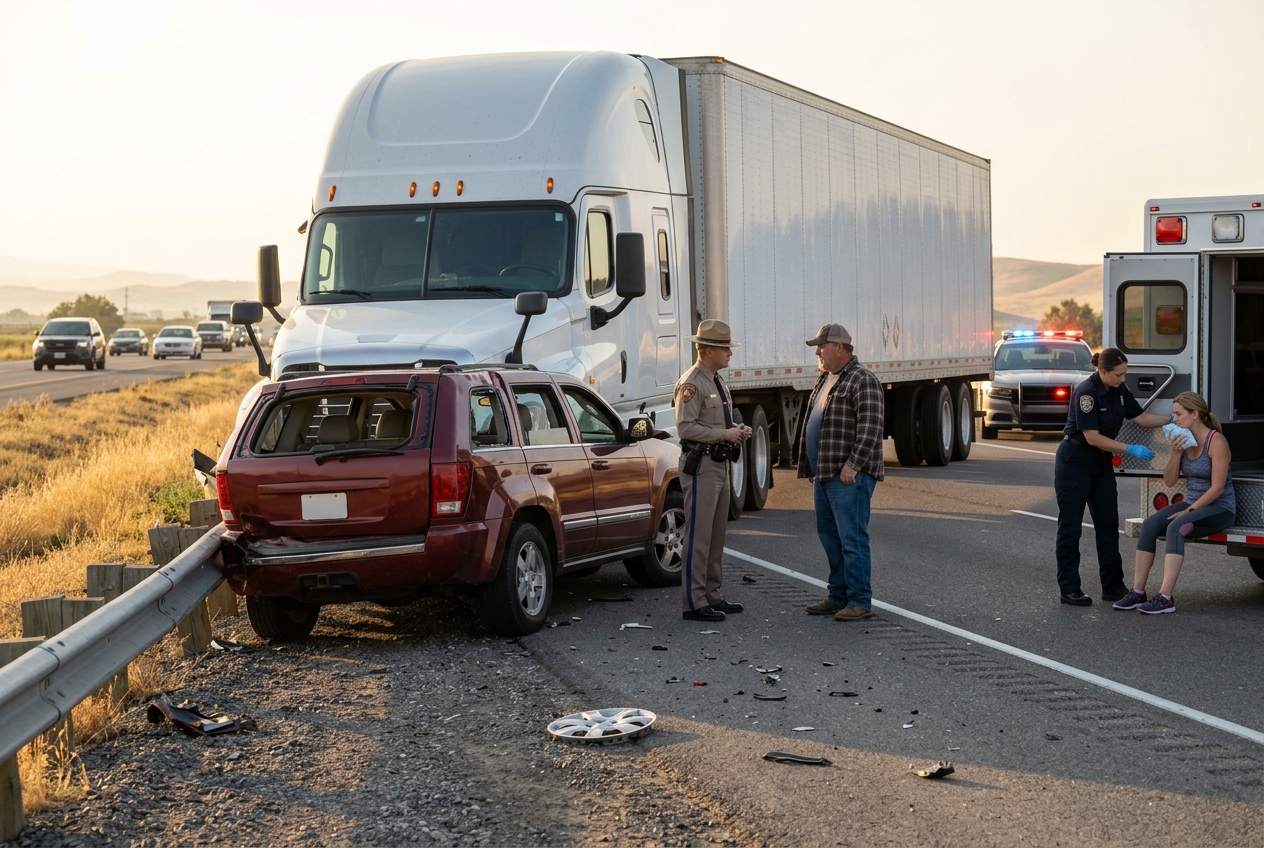
Hit by a semi truck? These are some of the biggest policies on the road
Big trucks that haul freight across state lines must carry at least $750,000 in insurance. Many carry $1 million or more.
And a truck crash often has more than one company that can pay:
- The truck driver.
- The trucking company.
- The company that owns the trailer.
- Sometimes the company that loaded the cargo.
Each one may have its own policy. Trucks also have a "black box" that records speed and braking. That data isn't kept forever.
What an attorney doesAn attorney moves fast to save the black box data and finds every company that can pay.
Could a bigger policy cover your crash?
A few quick questions can help you find out.
See What My Case Is WorthFREE · ABOUT 60 SECONDS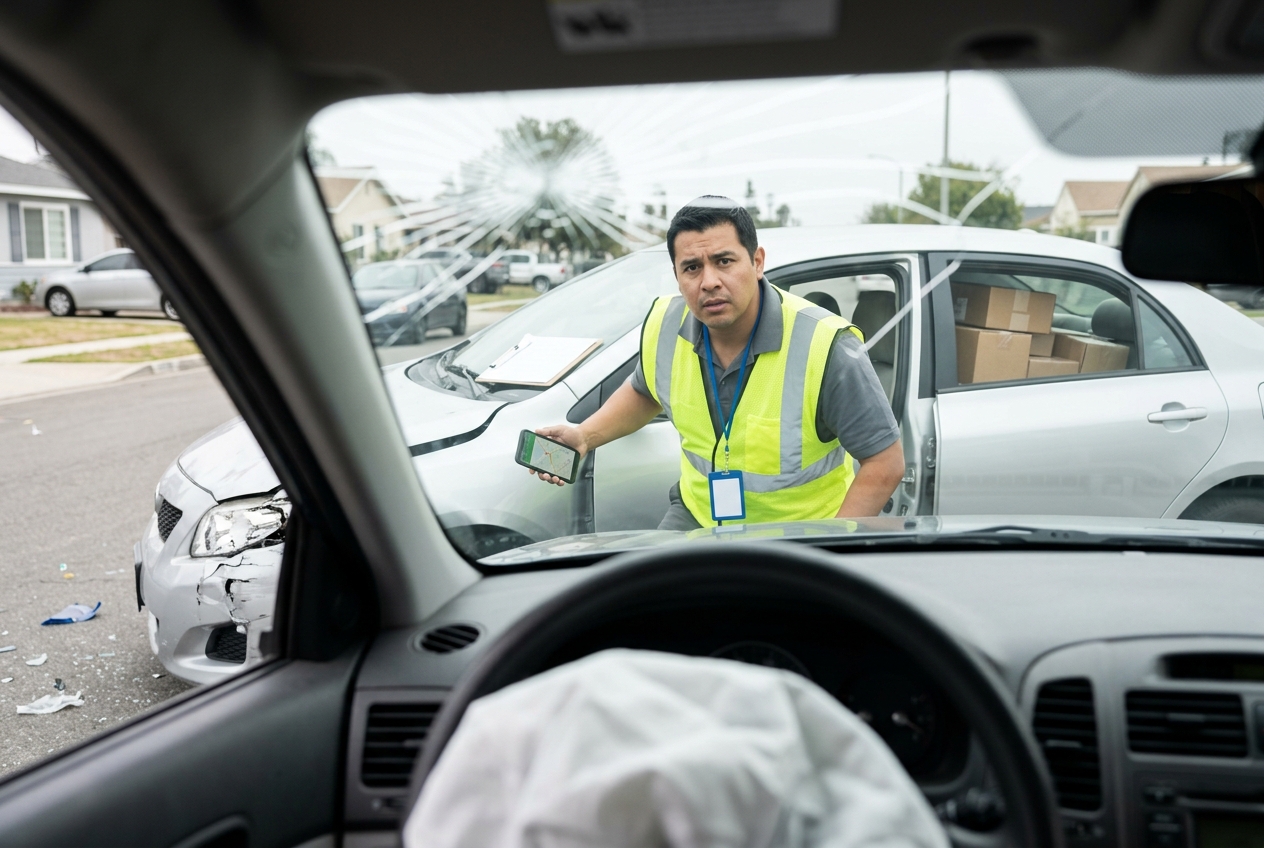
You may not know the other driver was working
Lots of people never find out the other driver was on the job. Think back to your crash. Did you notice any of these?
- A uniform, work shirt or name tag
- A phone on the dash with an app open
- A delivery bag or packages in the car
- Tools, ladders or work gear
- A sign or magnet on the door
- The driver saying they were late for work
Any of these can mean the driver was working. And even if you didn't notice a thing, they still might have been.
What an attorney doesAn attorney asks the questions you didn't know to ask.
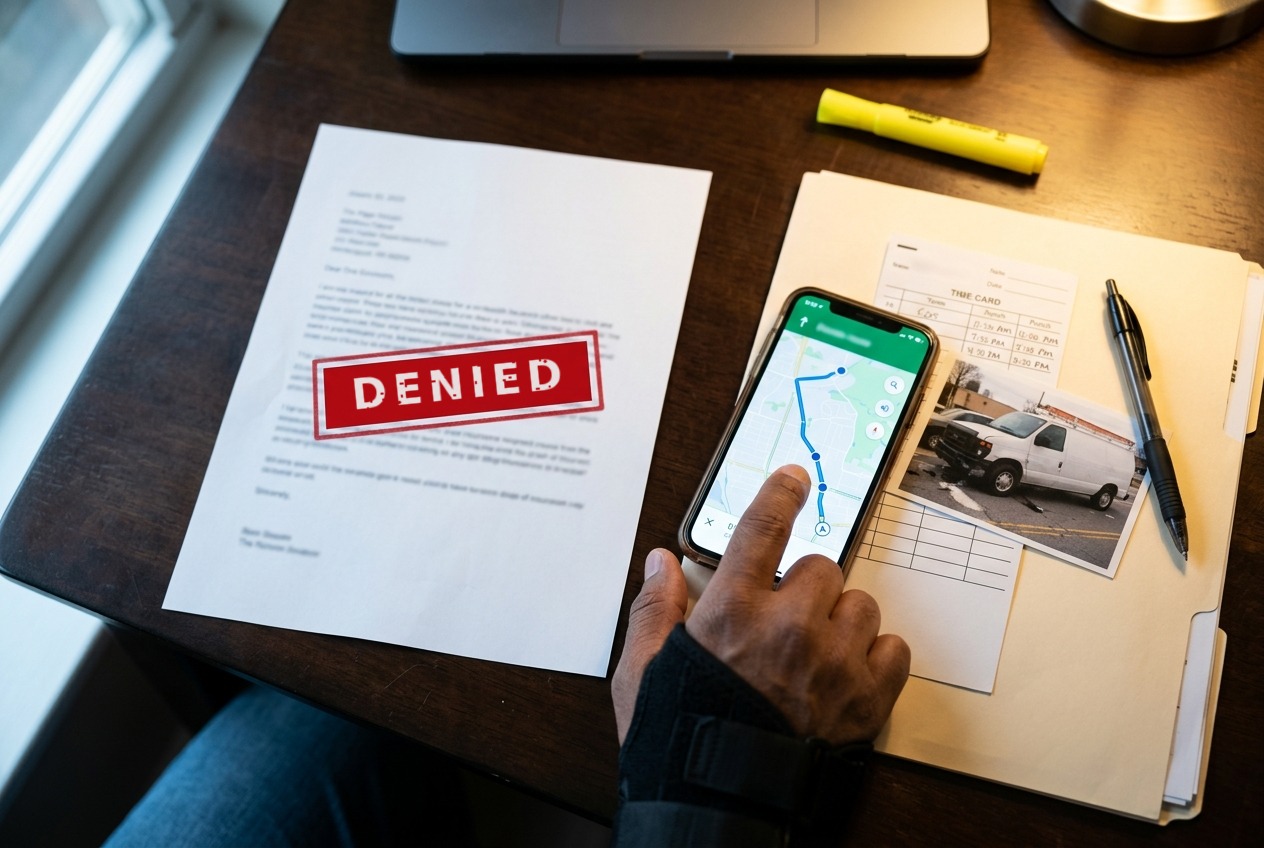
"He wasn't working." That's what companies say.
When a big policy is on the line, companies fight back. You may hear things like:
- "He was off the clock."
- "He was on his lunch break."
- "He's a contractor, not our employee."
Sometimes that's true. Lots of times it isn't. Phone records, GPS, time cards and delivery logs can show where the driver was and why.
You can't get those records on your own. An attorney can.
What an attorney doesAn attorney uses records to prove the driver was working, even when the company says no.
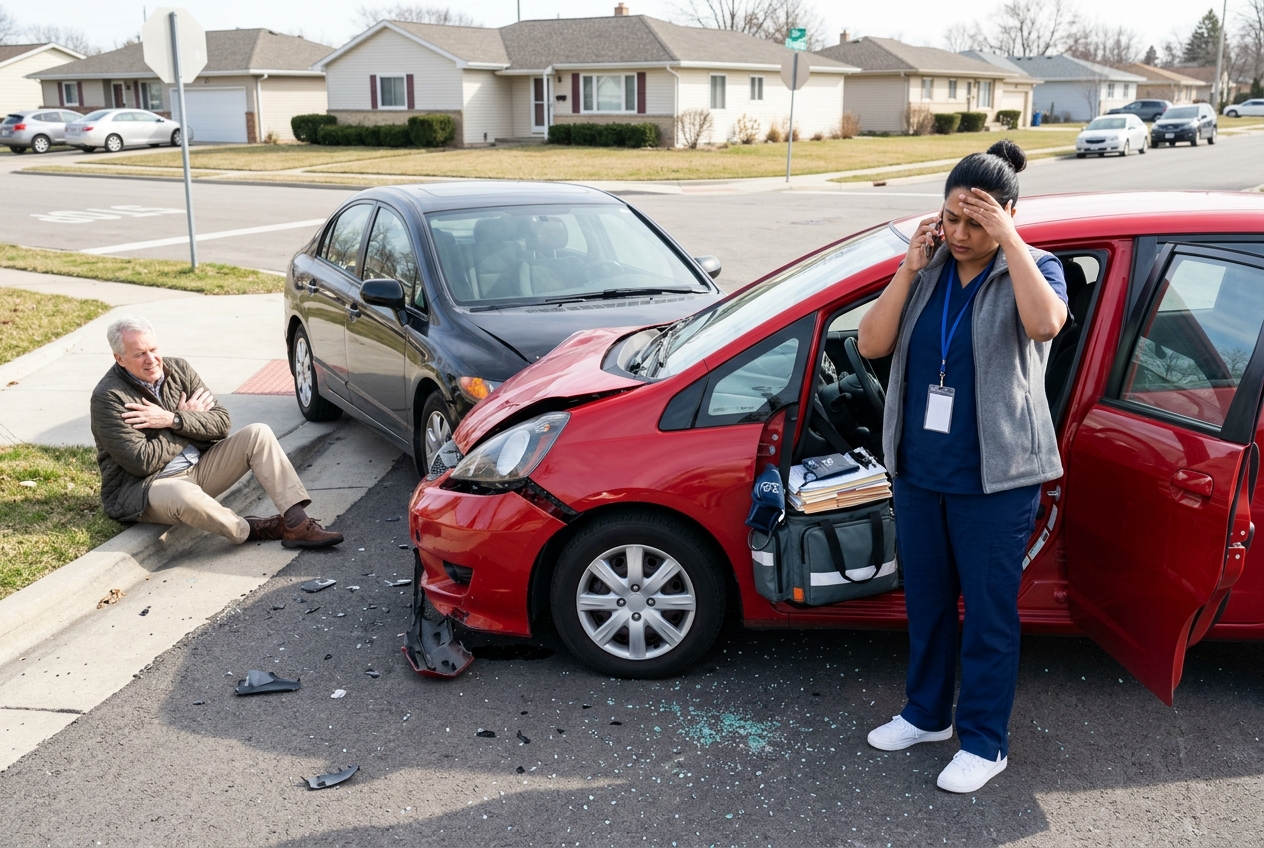
Driving their own car for work? Their boss may still have to pay
Not everyone who drives for work has a company truck. Lots of people use their own cars:
- Sales reps driving to meetings
- Home health workers driving to patients
- Real estate agents showing homes
- Someone running an errand for the boss
If they hit you while doing their job, their boss's insurance may have to pay too. There's no logo on the car, so almost nobody asks.
What an attorney doesAn attorney finds out where the driver was going and who sent them.

Who finds the money insurance won't mention
When you answer the questions, your details go to one car accident attorney who handles cases in your state. Not a list. That attorney looks for the things on this page: who the other driver worked for or which company's car hit you, every policy on your crash, and every company that can pay. Then they tell you where you stand.
You pay no attorney fee unless they win your case. Case costs can be handled separately, so ask the attorney how those work before you sign anything.
And the sooner, the better. App records get deleted. Black box data gets written over. Deadlines run out. The company's insurance started working on your file the day of the crash.
Before you take their offer
Take 60 seconds. Answer a few quick questions. Find out if more insurance could be on the table. If there's nothing there, you lost 60 seconds. If there is, it could mean a lot more money for you.
Why crash victims use Smart Crash Guide
- 100% free to check
- No attorney fee unless you win
- A car accident attorney in your state looks at your case
- Private, with no obligation
Smart Crash Guide is not a law firm. We do not provide legal advice and we do not represent anyone. We review the information you submit and refer it to an independent attorney, who decides whether to take your case. This article is general information, not legal advice about your situation.